
Can Run Clubs Replace Pubs? A Personal Exploration of Two Communities
Run clubs vs pubs: The title of this article is probably going to generate some discussion. With a fresh wave of social fitness clubs and sober raves becoming more popular across the country, and an increasing number of nightlife spots closing for good, it appears that public sentiment is shifting towards a more health-conscious way of socializing.
As a fitness writer and an official member of a few running groups, I am part of this change. However, even with this, and the fact that I recentlyditched drinkingand eventually feel improved by it, I still believe the pub continues to be a British tradition. Therefore, I chose to examine and highlight the differences between the two groups, spending a few evenings with each.
While considering whether one social environment might soon take the place of another and the reasons behind it, I came across a larger problem – one that the creators of pubs and running clubs are addressing in their own ways: the issue ofloneliness.
Loneliness is alarmingly widespread, with theOffice for National Statisticsnoting that one in four adults report experiencing feelings of loneliness at least "some of the time," with seven percent feeling lonely "often or always." The pandemic undoubtedly contributed to our growing sense of isolation as a country, but considering the UK established a minister for loneliness back in 2018, I'm not convinced we can blame this issue entirely on Covid.
We reside in a society that strongly discourages communication with others. Main streets are losing popularity in favor ofonline shoppingand when we go to a store, we encounter self-service kiosks. Working remotely has become the standard "new normal," and you can use public transportation with your mouth closed and a quick card tap.
It's not as though leaving the house is necessary these days. Whether you're looking for a movie or a brief encounter, there's an app for every need, and streaming platforms consistently push food delivery advertisements at you.
In my eyes, run clubsAnd bars offer a portion of the solution to this issue, prompting us to go out, interact with others, and build a feeling of community. Based on this, can we truly claim that one is superior to the other?
How isolated is the UK?
As per the recently published dataGlobal Flourishing Study, the UK is among the least successful nations in terms of "human flourishing." The study, which evaluated the populations of 22 countries across six continents, placed the UK at 20th position based on measures of happiness, health, and financial stability. Connections with others and experiences of social loneliness played a significant role in shaping this ranking.
"I often compare loneliness to feeling hungry or thirsty," says Professor Andrea Wigfield, a prominent researcher and co-director of theCampaign to End LonelinessSocial interaction is a crucial aspect, and as a person, you require the presence of others.
Occasional (or short-term) loneliness is uncomfortable, but it can be easily resolved by connecting with others, according to Wigfield. The more serious problem is long-term loneliness, where you feel "alone frequently and it lasts a long time."
Prolonged feelings of isolation have been associated with mental health challenges like anxiety and depression, along with various other health problems such as heart disease and Alzheimer's.
Due to these different factors, there is an increased chance of dying – you may have observed theresearch"comparing it to smoking as many as 15 cigarettes daily," Wigfield tells me.
According to data, older individuals and young adults are more prone to experiencing long-term loneliness. In recent years, those aged 16 to 29 have regularly indicated higher rates of loneliness compared to other age groups.
I am 28 years old, which puts me at the top of this age group, and it's clear why this situation might be so common. Before turning 21, I lived with others—initially my family, later roommates. During this period, school, college, and different sports teams provided me with a wide variety of potential friends.
Read more: I completed my first Hyrox race – here are six insights I wish I had before starting
After turning 22, my partner and I relocated from Dorset to Brighton. We didn't know anyone there, and although we were fortunate to have each other, you can't build a social group with just two people. Lacking any systems to connect us with new friends, we had no idea where to start.
Each of us will experience loneliness at some stage in our lives because it is often caused by major life changes," says Wigfield. "This might include changing schools, moving homes, experiencing the loss of a loved one, retiring, becoming a caregiver, or no longer being a caregiver. These significant events in your life can alter your social relationships and may result in feelings of loneliness.
Throughout this phase of my life, social media appeared to indicate that individuals my age were constantly surrounded by a vast group of friends. Being exposed to others' curated best moments in this manner can be overwhelming and contribute to feelings of isolation, says Stephen Buckley, head of information at a mental health charity.Mind. However, he urges individuals to keep in mind that "appearances can be misleading."
We frequently assume that friends will always be present, but that's not always true," Wigfield adds. "I believe this is where many young individuals face challenges today; they observe others on social media and anticipate having friends." According to Wigfield, the remedy is to return to fundamentals: "Make an effort to reach out and connect with others.

The runner’s “hi”
I recently spent a day working from home by myself. By lunchtime, I felt down; by 6pm, a fleeting sense of loneliness had begun to creep in, making my mind an uncomfortable place to be. At that moment, I closed my laptop and started getting ready for the running group at my gym.
Almost instantly after entering the gym, my quiet period came to an end. Multiple recognizable people waved and greeted me with a friendly "hello," and one friend gave me a hug, asking how I was doing. I immediately felt much better, and this positive feeling lasted throughout the entire hour-long workout.
Even though my legs felt like lead after a few kilometers in the freezing cold, the sense of togetherness kept me moving forward. Team members encouraged one another, and there was always a buzz of enthusiastic conversation during the short breaks between intense bursts of effort. By the end, I felt socially fulfilled, and I was also relishing the added benefit of a rush of positive endorphins throughout my body.
Buckley mentions that this is characteristic of a running club participant. Physical activity can enhance mood and alleviate sensations of stress and irritation, in addition to its widely recognized physical advantages, he shares with me. It also offers chances to connect with new individuals, aids in dealing with mental health issues, and encourages time spent in nature.
"The hues, noises, and scents can offer a pleasant diversion, helping us disconnect from daily stressors," he states.
I've noticed some people rolling their eyes at the growing popularity of running clubs in recent years, and many might have skipped this article with a sigh. However, I believe their criticism is unfounded.
If a group provides the physical advantages of exercise along with the mental well-being that comes from a social environment, it's clearly a good thing? This is especially true when it comes to younger generations.abandoning social evenings.According to specialists such as Wigfield, interaction is a fundamental human requirement, making social options essential.
Read more:A specialist recommends performing these four breathing techniques daily
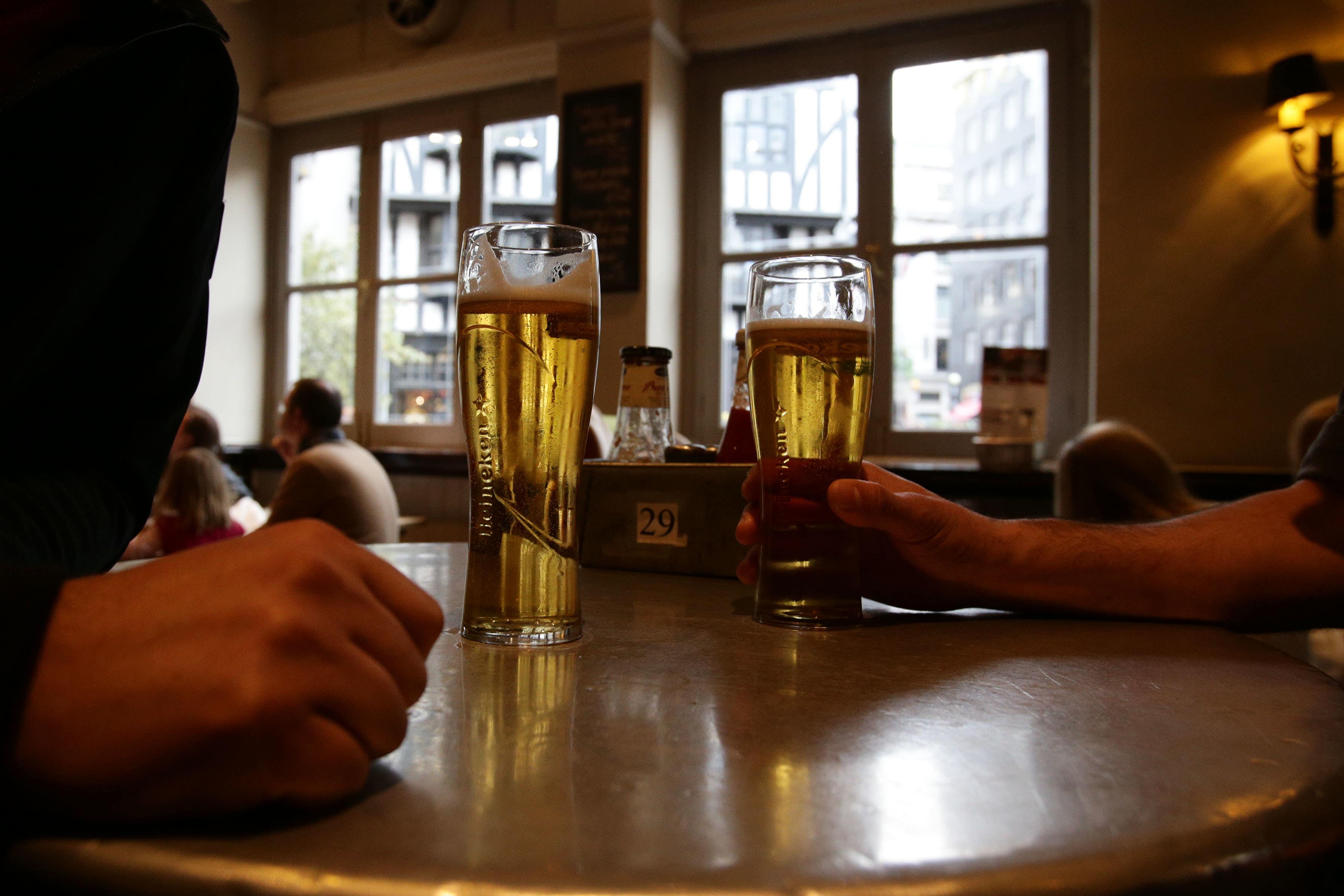
Is the bar becoming obsolete?
I now understand that, as a fitness writer, I tend to appreciate gyms and running groups more than the typical person – for me, exercise is a passion rather than a duty. Although I will always advocate for the benefits of movement on mental, physical, and emotional well-being, Wigfield emphasizes that overcoming loneliness isn't solely a physical endeavor.
I prefer to consider [combating] loneliness through the lens of building significant connections," she says to me. "Significant connections with other individuals, significant connections with the locations and environments surrounding you, and significant connections with yourself. These significant connections are crucial for human beings. Naturally, we all vary, and some people may require more of this social interaction than others, but we all require some.
As a result, she recommends any activity that unites individuals, whether it's running, music, singing, dining, or something else. The essential element is establishing a shared focal point.
This is also the reason I'm not interested in promoting one type of social engagement over another. While I enjoy physical activity, I think it should be available and enjoyable for everyone, rather than being seen as something exclusive or tied to a sense of moral superiority. Playing padel with friends or participating in a running group doesn't make you a better person than someone who enjoys going to the pub – each has its own benefits for mental well-being. Although there's an increase in healthy social events and activities, I support this trend, but we still need other social venues like pubs and clubs.
Despite the fact that I don’t drink, I went to the pub with friends over the weekend following my conversation with Wigfield. I was with people I knew, but I also ended up talking to strangers at the bar, near the TV showing the football game, and even for a short time at the urinals.
A chef informed us there would be a delay with the food, showing off a heavily bandaged hand as an explanation, while the bartender chuckled at my partner for several minutes when she requested a latte. By the time I departed, my cheeks had deep dimples from laughing, and I had a collection of new stories tucked away — any feelings of loneliness were completely out of the picture.
Read more: 10 strategies for completing your first marathon, shared by experts who have successfully finished the race

Combatting loneliness
Wigfield states that long-term loneliness can alter how we view others, complicating social interactions.
If you have experienced loneliness for an extended period and someone offers a smile or says hello while you're on the street, you are more inclined to interpret it negatively. This shifts your behavior, causing you to avoid eye contact when passing others. Chronic loneliness often leads to a cycle, making it increasingly difficult to break free.
After investing a lot of time trying to get things sorted after relocating to Brighton, I was lucky enough to connect with some incredible people through my job, sports clubs, and the gym. However, these connections weren't something that just occurred, as social media might imply – I had to step beyond my comfort zone to find them, and then put in effort to keep them going.
Run groups offer a kind of environment where friendships can develop, similar to how a local bar or pub might. They make socializing easier and help us succeed in building connections, offering a strong remedy for long-term loneliness.
Both running groups and bars offer a feeling of being part of a community, and a link to the individuals present, according to Wigfield. Engaging in conversation with others increases the chances of receiving encouraging feedback and developing a stronger sense of personal connection.
Naturally running provides additional advantages of physical and hormonal exercise, yet she finds it challenging to determine which is more effective against loneliness. "The processes differ, but I don't consider one more advantageous than the other; it really depends on the person and what they enjoy connecting with," summarizes Wigfield.
It's also crucial to understand that, when experiencing loneliness, there are various alternatives available. "The key is to discover an activity you enjoy and can maintain," says Buckley. "A running group could be ideal if you prefer social running, but it's perfectly fine if you try it and find it doesn't suit you. Don't feel obligated to continue something that isn't working – you're more likely to keep at it if it's enjoyable."
In my effort to determine if the pub could soon be taken over by groups of social runners, I discovered several key insights –
- Social engagement is essential, and it's crucial to discover a method that suits your needs.
- Social media frequently fails to provide an accurate representation of how our social circle should appear.
- We can't simply wait for friendships to develop – it's probable you'll need to step out of your comfort zone to discover them, and put in effort to keep these connections strong.
Advice from the mental health organization Mind
1. Exercise patience and refrain from making comparisons | Be kind and understanding towards yourself. Move forward at your own speed and avoid measuring yourself against others. |
2. Make new connections | This can take place either online or face-to-face. Some individuals participate in groups centered around a hobby they like, or gather to engage in particular activities. These settings can offer an opportunity to connect with others and discover encouragement. |
3. Be receptive to individuals you are familiar with | Attempt to be more open with people you are familiar with. Several of us have faced loneliness, yet it can be intimidating to share this with others. It could be beneficial to consider what you wish to express beforehand. You might discover that they have gone through comparable emotions. |
4. Participate in an online mental health group | A notable instance of this isMind’s Side by SideIt's a secure environment where individuals who have faced mental health challenges can exchange their experiences, interact with others, and gain insights while offering assistance in return. |
5. Try talking therapies. | Counseling sessions can assist you in understanding the personal significance of feeling lonely. Your therapist can guide you in discovering new methods to cope with your emotions. |
The mind offers various helplines to provide guidance and assistance to individuals facing mental health challenges:
- Mind Information Line: 0300 123 3393 (available from 9am to 6pm, Monday through Friday, excluding public holidays)
- Mind Support Line: 0300 102 1234 (available from 9 a.m. to 6 p.m., Monday through Friday, excluding public holidays)
- Welfare assistance number: 0300 222 5782 (available from 9am to 5pm, Monday through Friday, excluding public holidays).
- Legal assistance number: 0300 466 6463 (available from 9 am to 6 pm, Monday through Friday, excluding public holidays).
Read more: How to identify the signs of burnout and address them, as advised by health professionals
From news to politics, travel to sports, culture to climate – The Independent offers a variety of free newsletters tailored to your preferences. To discover the articles you enjoy, and more, directly in your inbox, clickhere.

Post a Comment for "Can Run Clubs Replace Pubs? A Personal Exploration of Two Communities"