
11 Animal Kingdom Hunters
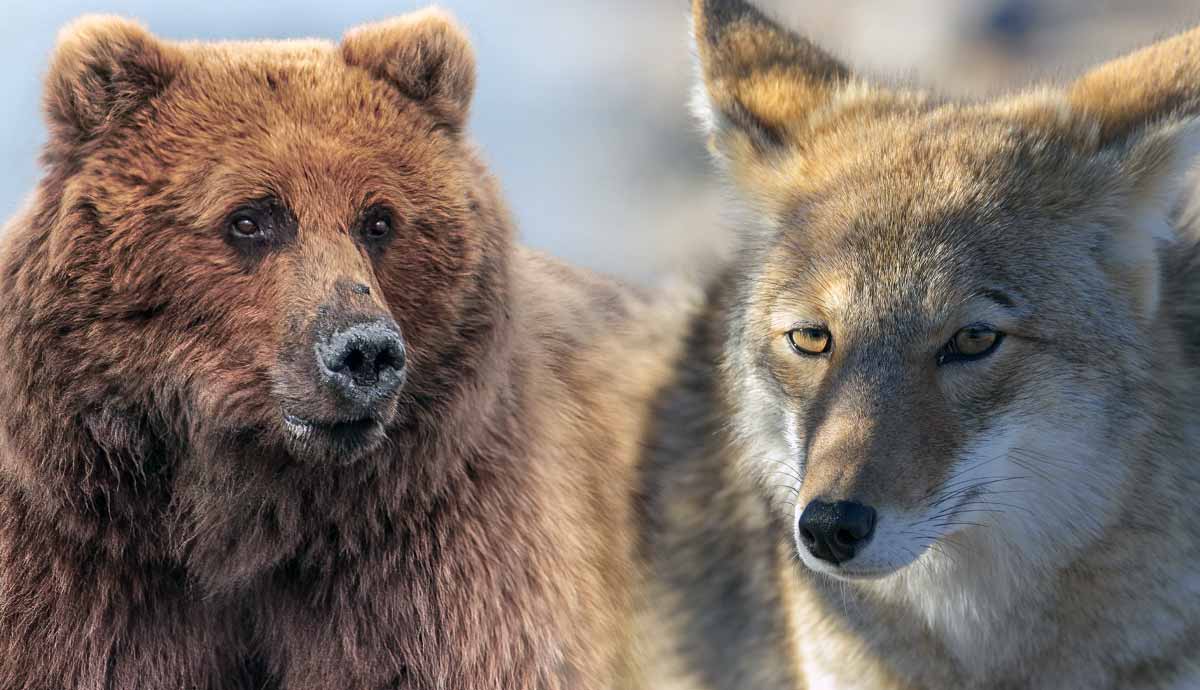
Some of these creatures are remarkable predators that only turn to scavenging when food is extremely scarce. Others simply lack the motivation to pursue their own prey. Still, all of them have justifiably received the name ofscavenger.
1. Vultures
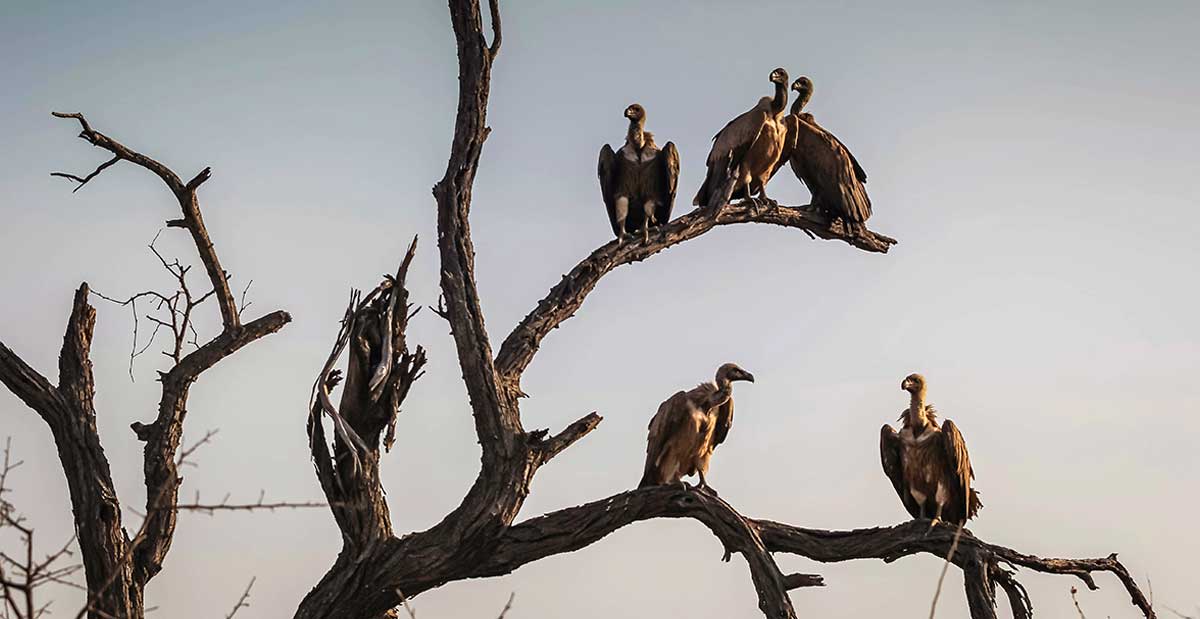
It would simply not be appropriate for me to create a list of scavenger animals and then not begin withvultures. One might almost describe them as the emblem of scavengers. Their primary food source is dead animals, which makes them true obligate scavengers. Although this may seem unpleasant to both you and me, it is beneficial for the environment. They help clean up carcasses, eliminate foul odors, prevent the spread of diseases, and return nutrients back to the earth.
2. Bears
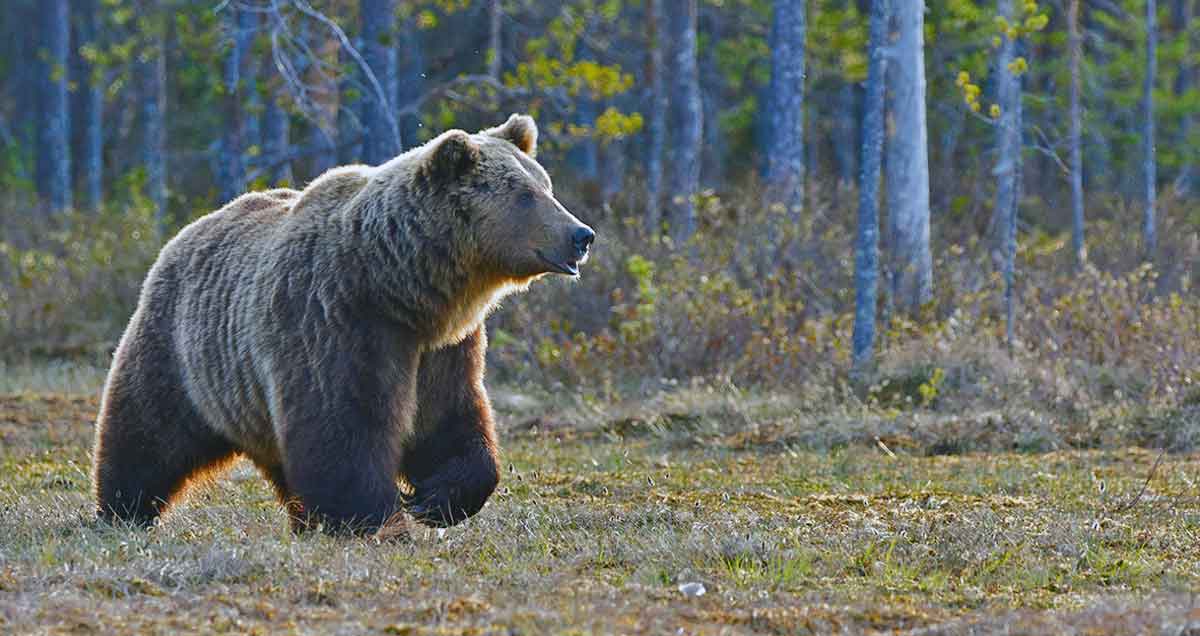
Bears are omnivores, so they are not strict scavengers like vultures. It varies among bear species, but they are all considered opportunistic scavengers.Black bearsoften consume whatever is available, but they don't ingest a significant amount of meat (only 10% of their diet consists of animal-based foods).
On the other hand, grizzly bearsEat whatever they can locate as the seasons shift. They wait until late summer, when many of the male bison pass away while fighting for females during the mating season. They also take dead animals from other creatures because very few predators are ready to confront them. Our friend, the brown bear, feeds on clams and crabs in coastal areas.
3. Hyenas
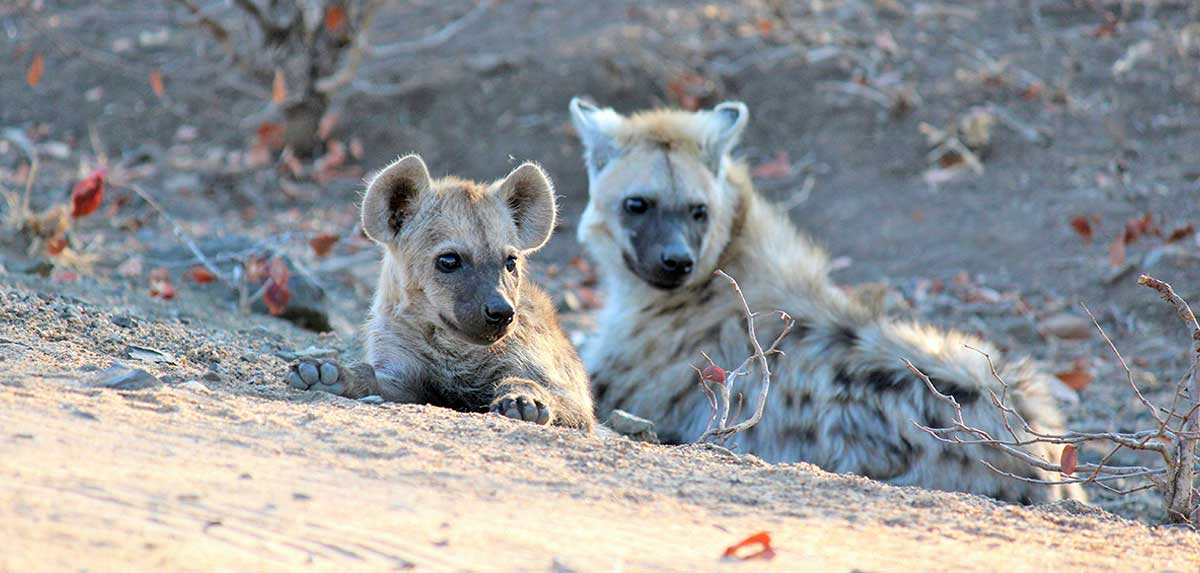
These Kalahari Desert animalsare among the leading predator species in Africa. 70% of what they eat is from their own hunts, with the remaining portion made up of whatever they can locate. That's just one of the key pointsdifferences between hyenas and wild canines. Due to the competition they encounter in the wild, they will consume a wide range of items, including plant material, animal waste, and dead animals.
4. Wolves
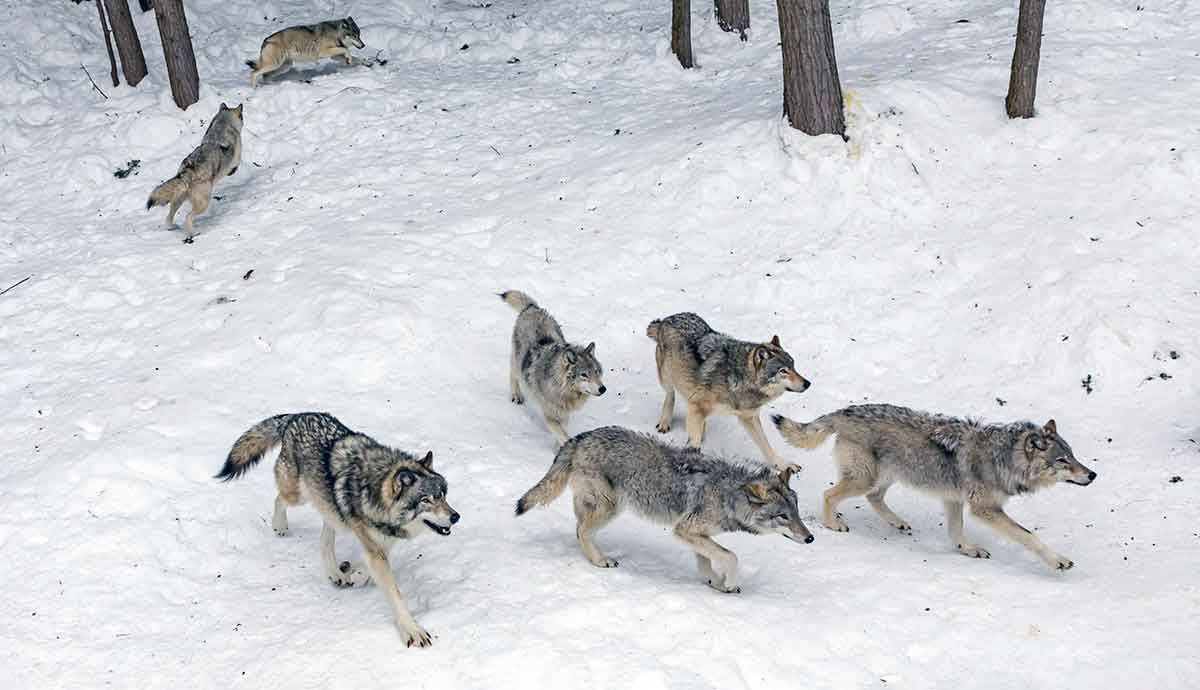
All the extraordinary wolves of the worldare fully capable of obtaining their own food, particularly because they hunt in groups. However, a lack of food is a genuine issue and everyone must find something to eat. Therefore, besides deer, reindeer, moose, and elk, all wolves, includingtimberwolvesand grey wolves, occasionally rely on dead animals and remains. This categorizes them as optional scavengers, similar to several others on this list.
5. Sharks
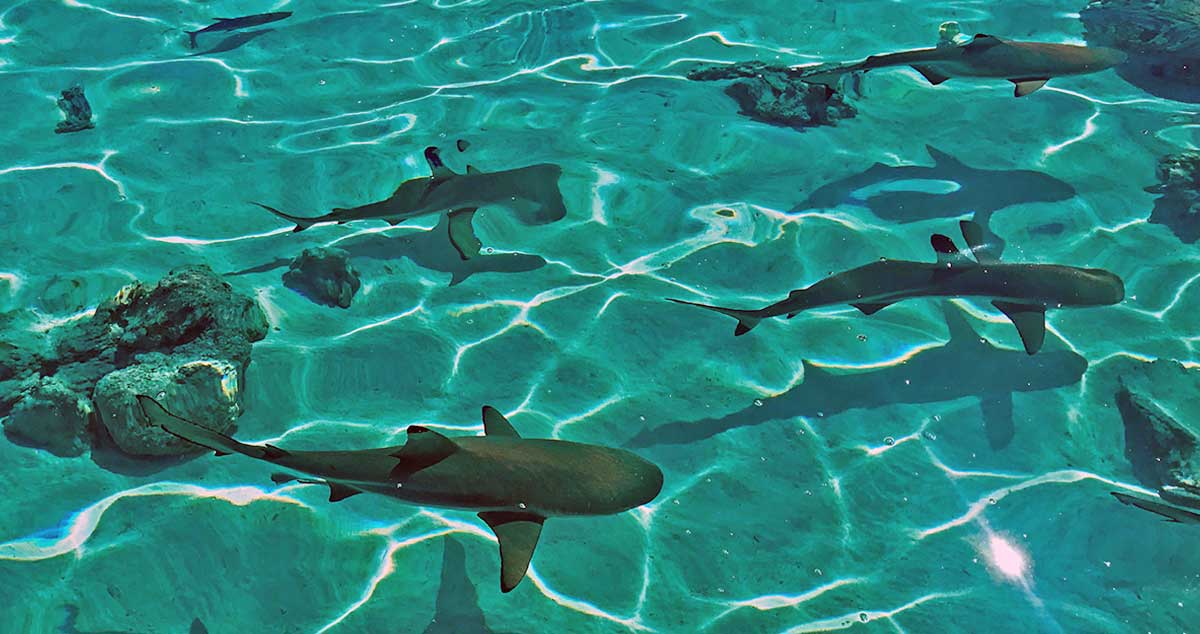
If you’ve ever wondered What do sharks consume in their natural habitat?, you're about to discover. They are opportunistic scavengers, meaning they will consume anything and everything that is readily available, including ocean trash. In fact, great whites particularly enjoy findingthe biggest whalecorpses, while tiger sharks prefer dead seaturtles. However, not all sharks are the same. Certain types, such as whale sharks and basking sharks, are solely predators and planktivores.
6. Lobsters
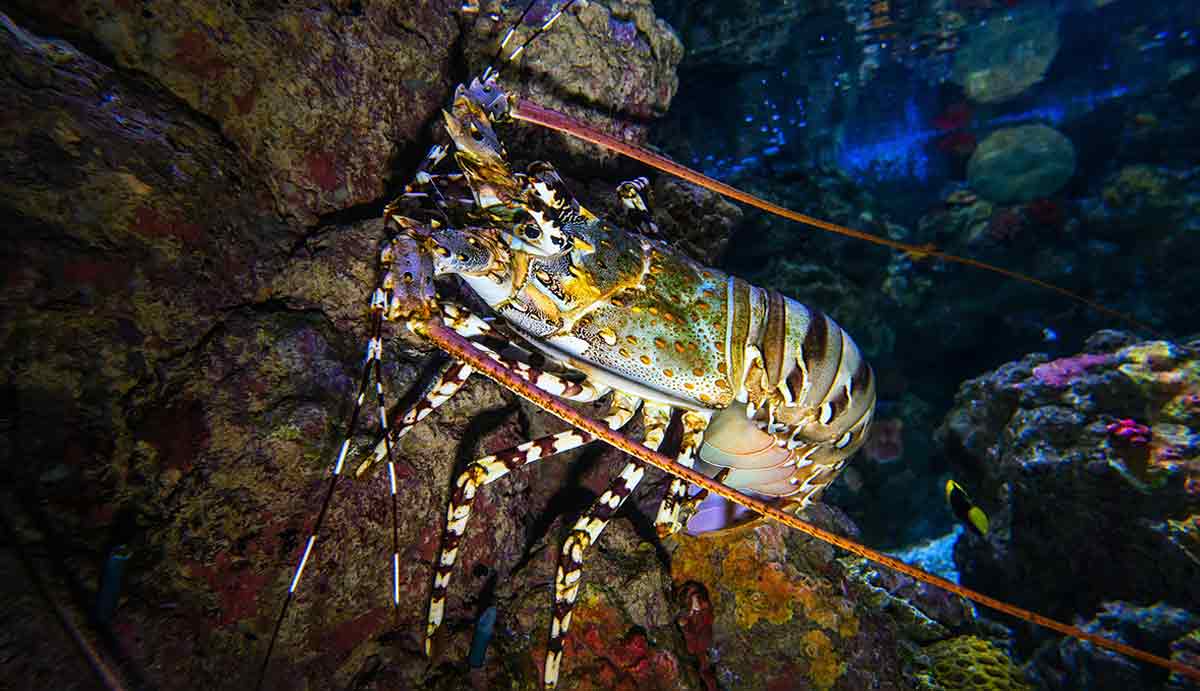
There are many key distinctions between lobsters and crabs, but this is not one of them. We will discuss crabs and their scavenging habits later, but lobsters are opportunistic scavengers. They search for fish and clams and consume numerous dead organisms and decaying material deep on the ocean floor. They can also be cannibals, particularly when they are very desperate and extremely hungry, such as in captivity.
7. Raccoons
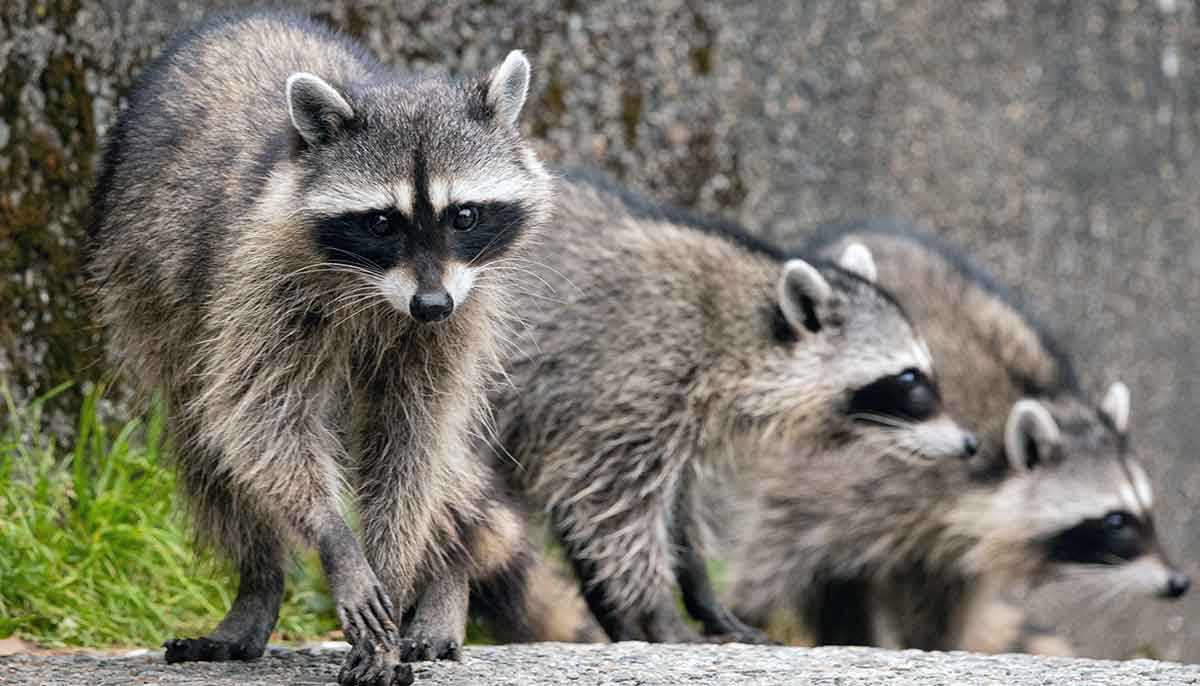
Raccoonssuffer from a bad reputation due to being trash collectors who carry numerous illnesses that can become quite hazardous when provoked. They prefer not to hunt for their meals and instead opt to scavenge through garbage or look for leftovers from other animals. They also consume insects and their larvae, and take bird eggs from nests because it's an easy find. This behavior might stem from a lack of hunting abilities, or maybe it's just laziness. Although their habits aren't perfect, they serve a crucial role in their ecosystem, similar to vultures and other scavengers.
8. Eagles
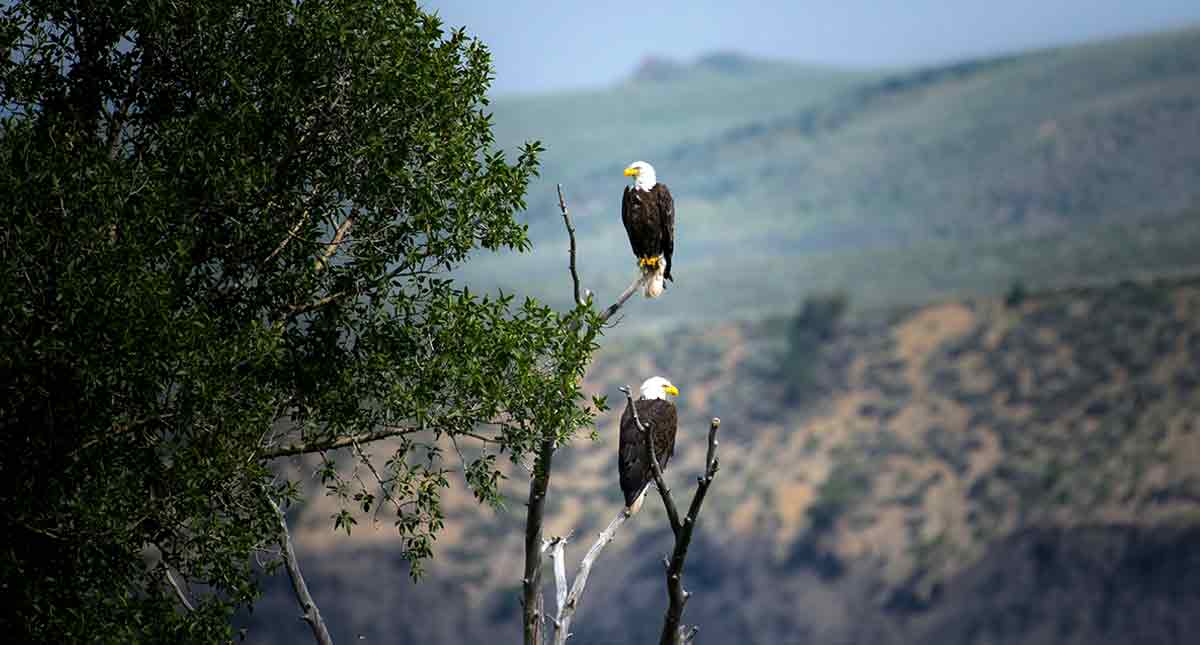
Although many people consider vultures and ravens to be the primary scavenging birds, golden eagles also feed on deer and elk.carrionwithout any audience. Additionally, they're one of theanimals with the most exceptional vision, so they have many advantages when it comes to finding food. All eagles are opportunistic scavengers, meaning they hunt for animals and also feed on dead ones.
Eagles found in regions with abundant roadkill and numerous predators tend to eat significantly more dead animals compared to those that can easily find live food. They are very protective of their territory, particularly during the mating season, which often results in many conflicts over carcasses, including dead fish.
9. Ravens
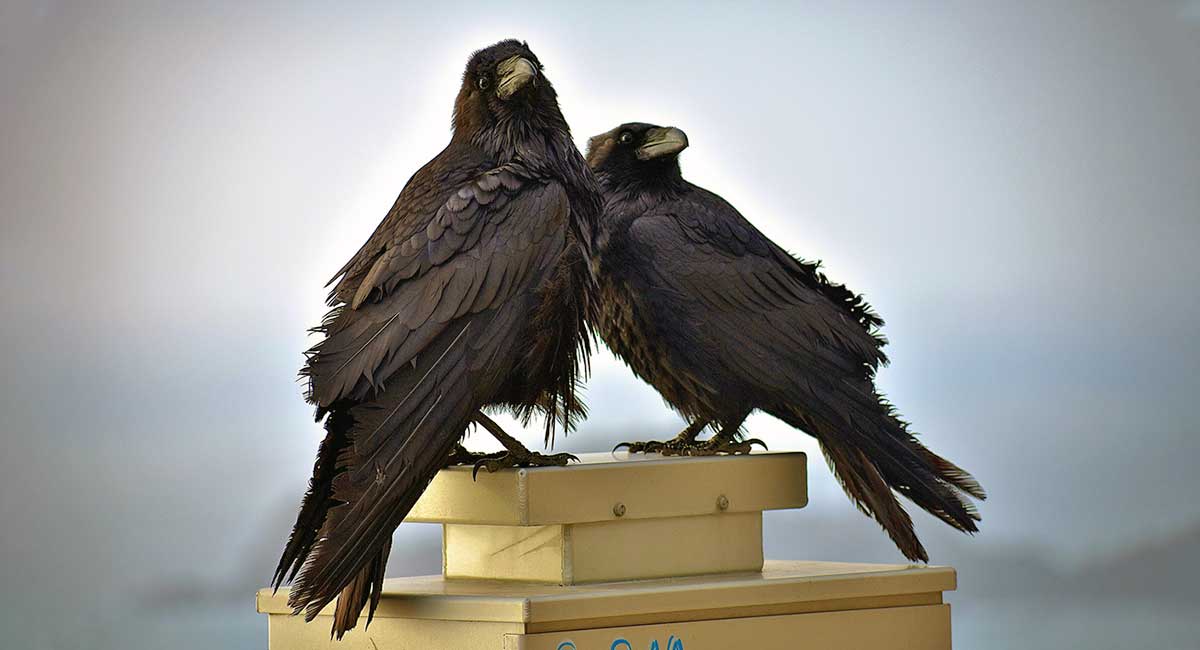
Ravensare not only opportunistic scavengers; they are opportunistic omnivores. Every single item they consume, beyond just the food they scavenge, is taken into accountopportunisticThey possess numerous techniques to locate food, yet most of their meals are obtained from landfills and remnants left by predators. At times, they remain patient, observing until the predators finish their meal before taking over.
10. Crabs
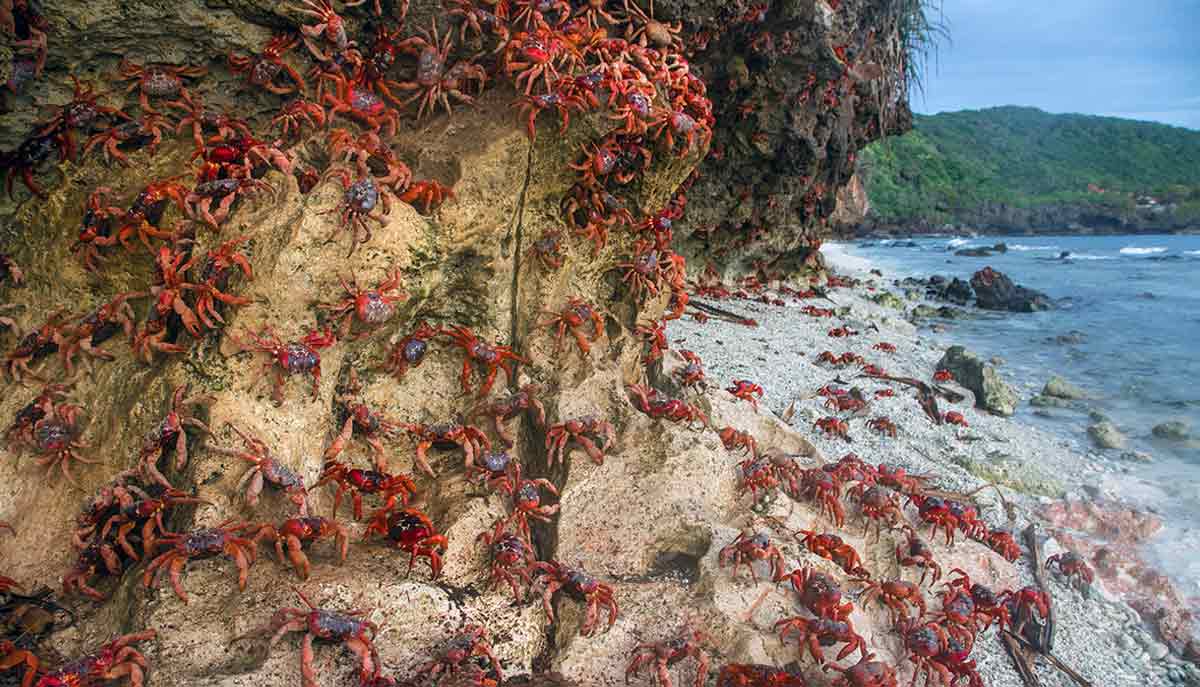
Numerous animals hunt crabs, which means they need to consume food to remain strong and well-nourished, correct? As they are likely to be eaten eventually, there's no benefit in seeking out clean and healthy meals. Rather, they adopt a flexible scavenging diet, consuming whatever is available, such as dead animals, rotting plants, and other crabs. They also feed on algae and pursue live invertebrates, plankton, and mollusks.
11. Coyotes
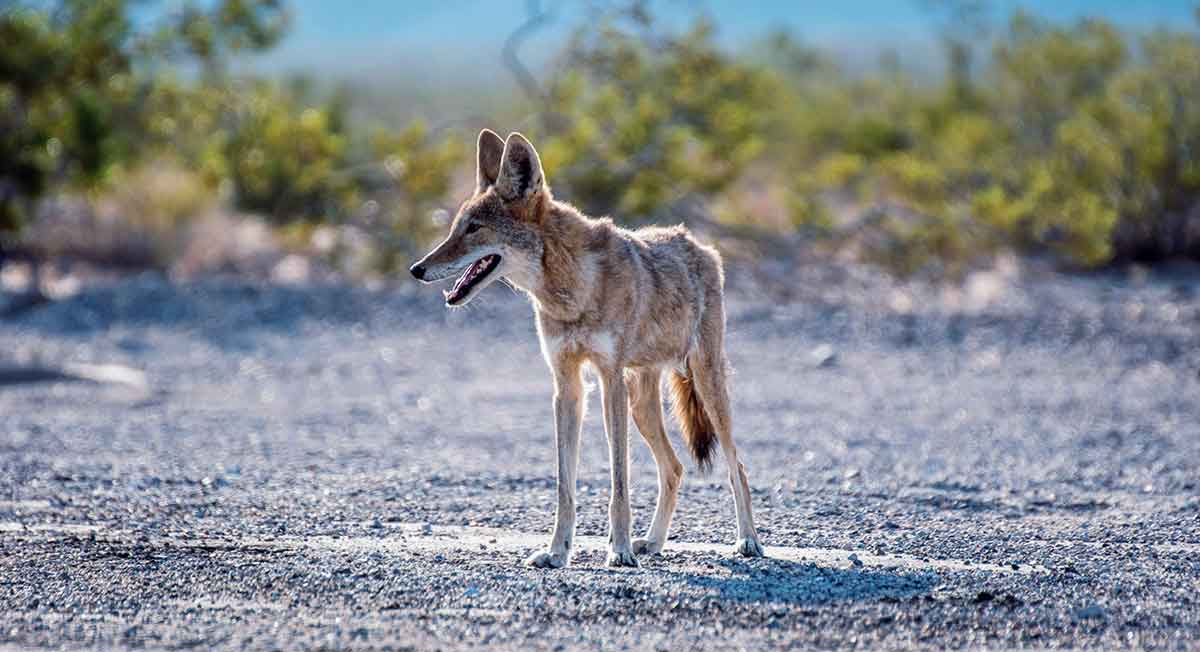
Having arrived at the end of the list, I've realized there are numerous scavengers and very little that sets them apart. Coyotes are no exception, as they too modify their diets to ensure survival. They primarily consume small rodents, such as mice and rats, which are relatively simple to capture. Young coyotes, still learning the art of hunting, practice by stalking and leaping on grasshoppers and other small creatures. Adult coyotes occasionally include carrion, farm animals, pets, and trash in their diet.

Post a Comment for "11 Animal Kingdom Hunters"